Puppy Pals Graphics: 6 Vector Illustrations Review
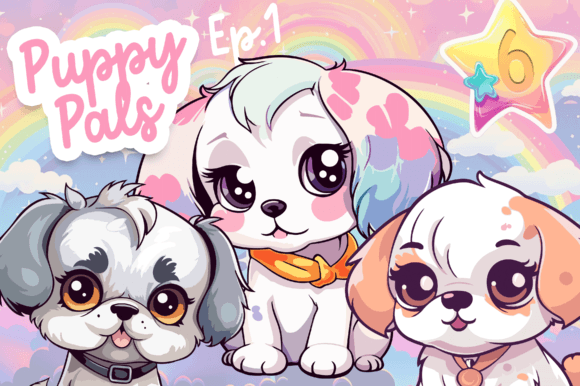
As a digital publisher and blog designer, I constantly evaluate visual assets not just for their aesthetic appeal, but for their functional utility in a real content workflow. When I first opened the files for Puppy Pals. Ep.1. 6 Vector Illustrations, my immediate assessment focused on editorial versatility. This collection immediately establishes a mood that is undeniably playful, warm, and approachable. It moves beyond generic clip art into the realm of intentional editorial design, offering a cohesive visual language that feels lifestyle-focused and modern. For content creators in the pet niche, parenting space, or lifestyle blogging sector, this asset pack signals to the reader that the content is curated, friendly, and safe. The "adorable" factor described in the product details translates professionally into high engagement potential; it creates an emotional hook before a single word of copy is read.
Deploying Vectors Across the Publishing Ecosystem
In a professional publishing environment, a graphic design asset must earn its keep across multiple formats. I tested these six vector illustrations against a standard content production checklist to see where they perform best. Because they are vectors, they offer infinite scalability without pixelation, which is critical for maintaining crisp edges on high-DPI mobile screens and large desktop monitors alike.
- Blog Featured Images: These illustrations serve as excellent focal points for article headers. They provide enough negative space to overlay headline text without sacrificing readability, solving a common pain point in web design.
- Pinterest Pin Creation: Vertical graphics require strong visual hierarchy. The bold lines and distinct character expressions in Puppy Pals make them highly clickable in a crowded Pinterest feed. They function perfectly as background elements or primary visuals for social media graphics.
- Digital Products and Lead Magnets: If you are creating a digital guide, worksheet, or printable checklist for dog training or pet care, these illustrations add perceived value. They transform a plain PDF into a polished digital download that users are excited to open.
- Newsletter Headers: Email marketing often suffers from sterile aesthetics. Integrating one of these puppies into a newsletter banner increases open rates by signaling a personal, fun tone rather than a corporate blast.
- Canva Template Integration: For designers selling templates, these vectors can be embedded into Canva template kits, allowing end-users to customize colors to match their specific brand identity.
Impact on Reader Trust and Content Performance
Visuals are not merely decorative; they are functional components of content marketing. Using consistent, high-quality illustrations like those found in Puppy Pals. Ep.1. 6 Vector Illustrations directly supports content performance metrics. From a user experience perspective, these graphics establish a stronger first impression. When a visitor lands on a blog post, the professional quality of the vector art reduces bounce rates by signaling that the site is active and well-maintained.
Furthermore, these assets aid in category recognition. By assigning specific puppy characters to different content pillars (e.g., the sleeping pup for "relaxation/tips," the active pup for "training guides"), you create a subconscious navigation system for your readers. This consistency builds visual hierarchy and reinforces small business branding. In the context of affiliate marketing, trustworthy visuals are paramount. Readers are more likely to click affiliate links or purchase recommended products when the surrounding content looks polished and legitimate rather than amateurish. The charm of these illustrations softens the sales pitch, making commercial content feel more like helpful advice from a friend.
Strategic Placement for Maximum Editorial Value
Through my testing workflow, I identified specific zones where this creative design asset shines brightest. Hero images and website headers are prime real estate; the vectors hold up beautifully at large sizes and set the tone for the entire page. Article thumbnails benefit significantly as well, especially when the illustration is paired with a solid color block that matches your site’s palette.
For printable design projects, such as coloring books or educational worksheets for kids, these illustrations are ideal because the line work is clean and reproducible in black and white. Social media previews also benefit from the high contrast and simple shapes, ensuring the image remains recognizable even when shrunk down to a tiny avatar size on Instagram or Facebook feeds. Additionally, using these as accents in media kits can help influencers and bloggers pitch themselves to brands in the pet industry, showcasing a fun yet professional aesthetic.
Navigating Design Constraints and Contextual Fit
While versatile, no asset is universal. As an experienced designer, I must note where Puppy Pals. Ep.1. 6 Vector Illustrations should be applied with caution. Due to their inherently cute and cartoonish nature, they may clash with serious professional niches. I would avoid using them in corporate legal content, veterinary medical pathology articles, or luxury minimalist brands where the aesthetic demands stark photography or abstract geometry.
Be mindful of busy layouts. Because these illustrations have personality and detail, placing them over textured backgrounds or complex photographs can result in visual noise. They require breathing room. On mobile devices, ensure the illustration does not push critical text below the fold. Also, consider the emotional weight; while perfect for lifestyle and education, they might undermine the gravity of content discussing pet loss or serious behavioral aggression. Always align the visual tone with the editorial intent to maintain reader trust.
Essential Pre-Publishing Technical Checklist
Before integrating any design assets into a live production site, rigorous testing is non-negotiable. Here is the workflow I recommend for this specific collection:
- Cross-Device Testing: Preview the vectors on both desktop and mobile screens. Ensure details remain visible on small displays and that file sizes are optimized for web performance to prevent slow load times.
- Typography Pairing: Test the illustrations beside various font families. They pair exceptionally well with rounded sans-serifs and handwritten scripts for a playful look, but can also work with clean serifs for a more sophisticated editorial contrast. Avoid overly ornate display fonts that compete with the illustration's line work.
- Contrast and Accessibility: Check color contrast ratios if text is overlaid. Try converting the vectors to grayscale to ensure they still communicate effectively in monochrome contexts, such as e-readers or printed handouts.
- Licensing Verification: This is critical for monetized sites. Before using these on affiliate pages, ad-supported blogs, or within paid digital products, confirm the commercial license terms. Ensure you have the right to use them in commercial design projects and understand any attribution requirements.
- Thumbnail Simulation: Shrink the image to 200px wide and squint. Can you still tell what it is? If it becomes a muddy blob, simplify the composition or increase the stroke weight before publishing as a category thumbnail.
Ultimately, Puppy Pals. Ep.1. 6 Vector Illustrations represents a valuable addition to the creative marketplace for publishers who understand that charm is a strategic asset. By treating these illustrations as functional tools for communication rather than mere decoration, bloggers and marketers can elevate their modern design standards, improve user engagement, and build a more lovable brand presence. Whether you are crafting a lead magnet or refreshing your blog's visual identity, this collection offers the polish and personality necessary to stand out in a saturated digital landscape.