Kids Animals Alphabet Z: An Embroidery Review
As a professional embroidery designer and product reviewer, I approach every new graphic asset with a specific question: will this actually stitch out well on real fabric? When evaluating the Kids Animals Alphabet Z Illustrations, my focus shifts immediately from screen aesthetics to needle performance. This digital collection arrives as a versatile set of graphics including SVG, JPG, PNG, and PDF files at a 1920px x 1280px canvas size. While these are primarily illustration files rather than pre-digitized machine embroidery designs, they serve as exceptional foundational art for creating custom embroidery projects. For Etsy sellers, craft business owners, and makers, understanding how to translate these high-resolution illustrations into stitch-ready formats is the key to producing professional-grade merchandise.
First Impressions and Visual Personality
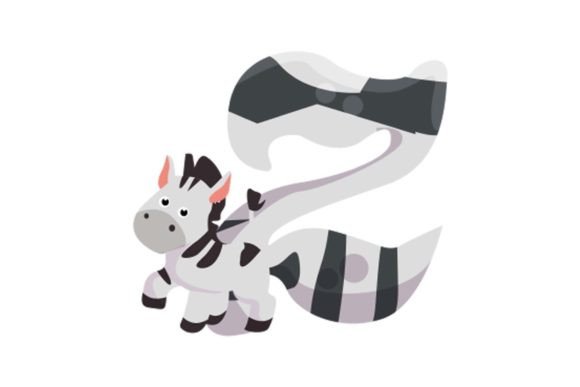
The initial mood of the Kids Animals Alphabet Z Illustrations is undeniably playful yet structured. The "Z" theme suggests a whimsical zoo or zebra motif that carries a distinct narrative weight compared to generic alphabet sets. Visually, the lines appear clean and intentional, which is the first green flag for any potential applique design or satin stitch outline. In the world of handmade products, clarity is king. Overly complex illustrations often result in muddy stitching where details get lost under thread tension. However, this artwork maintains enough negative space and bold shaping to suggest it will digitize beautifully without requiring excessive simplification.
For a creative entrepreneur, this visual personality signals strong giftability. It does not look like clip-art; it looks like curated boutique branding. Whether you are designing nursery decor or personalized gifts for toddlers, the aesthetic strikes a balance between juvenile charm and modern design sensibilities. This matters because customers associate visual polish with product quality. If the source art looks amateurish, the finished embroidered patch or sweatshirt embroidery will likely be perceived as low-value, regardless of your stitching skill.
Real-World Application: The Custom Tote Bag Test
To truly judge the utility of these graphics, I mentally placed them into a real-life production scenario: creating a custom embroidered tote bag for a children’s bookstore event. Tote bags present unique challenges due to the canvas texture and the need for the design to be legible from a distance. Using the Kids Animals Alphabet Z Illustrations as a base, I envisioned a combination of fill stitch for the animal body and running stitch for expressive details.
In this context, the 1920px resolution provides ample data for redrawing or auto-digitizing without pixelation artifacts. For a tote bag design, the bold nature of the "Z" character allows for a larger hoop size, maximizing visibility. I would utilize the SVG file to create crisp vector paths in my embroidery software, ensuring that the curves remain smooth when scaled up to a 6x10 inch hoop. The result would be a vibrant, textured centerpiece that anchors the bag’s aesthetic. Customers at a craft fair respond to tactile clarity; they want to see distinct shapes, not a blur of thread. These illustrations support that level of definition, making them ideal for commercial embroidery projects where brand recognition and visual impact drive sales.
Navigating Fabric Limitations and Stitch Density
While the artwork is promising, practical application requires caution regarding fabric choice. Not every surface is suitable for detailed alphabet illustrations. When working with stretchy fabrics like jersey knits for baby embroidery or t-shirts, the complexity of the animal features must be managed carefully. High stitch density can cause puckering or distortion on lightweight materials. If you plan to use these graphics for apparel, I strongly recommend testing a simplified version first or using a cut-away stabilizer to maintain structural integrity.
Textured fabrics like terry cloth for kitchen towels or blankets also pose risks. Fine details in the animal’s face or fur texture may sink into the pile, rendering the design illegible. In these cases, the Kids Animals Alphabet Z Illustrations work best when adapted into an applique design. By using the solid shapes as fabric patches held down by satin stitch borders, you preserve the visual intent while reducing stitch count and improving durability against frequent washing. Conversely, avoid using highly detailed versions of this art on curved surfaces like caps unless you have advanced digitizing skills to compensate for the distortion inherent in hat embroidery.
Elevating Product Value and Customer Trust
For small shop products and digital product sellers, consistency builds trust. Using high-quality source graphics like these ensures that your printable mockups accurately represent the final output. There is nothing more damaging to an Etsy seller’s reputation than a listing photo that promises crisp lines but delivers a messy stitch-out. Because these files include transparent PNGs and scalable SVGs, you can create professional marketing assets that align perfectly with your physical inventory.
Furthermore, the versatility of the file formats supports multiple revenue streams. You might use the PDF for a coloring book bonus, the JPG for website headers, and the SVG for laser cutting or embroidery digitizing. This multi-format approach maximizes the ROI on your design assets. When customers see cohesive branding across your digital previews and physical handmade products, their confidence in your craftsmanship increases. They understand that you are not just grabbing random internet images, but utilizing professional-grade graphics intended for production.
Critical Designer Notes Before You Stitch
Before loading these illustrations into your machine or selling them as part of a finished product, adhere to these professional best practices:
- Verify Licensing: Always confirm the specific commercial license terms included with your purchase. Just because a file is editable does not automatically grant permission to sell finished items or redistribute the digital embroidery file itself.
- Test on Scrap Fabric: Never run a new design directly onto a client’s garment. Test the digitized version of Kids Animals Alphabet Z Illustrations on a scrap of the exact fabric and stabilizer combination you intend to use.
- Check Thread Color Contrast: View your digitized file in black and white mode within your software. If the design relies solely on color changes to define shapes, it will fail on monochromatic fabrics. Ensure there is sufficient contrast in stitch direction or type.
- Inspect Small Details: Zoom in to 100% on your screen. Any detail smaller than 1mm may not stitch cleanly. Simplify tiny elements like eyelashes or whiskers into single running stitches or remove them entirely for smaller hoop sizes.
- Stabilizer Selection: Match your stabilizer to the fabric weight, not the design complexity. Even a simple alphabet letter can tunnel on knit fabric without proper backing.
- Mockup Validation: Create a digital mockup using the provided PNG file to show clients before production. This manages expectations regarding size and placement.
Final Thoughts for Makers and Sellers
The Kids Animals Alphabet Z Illustrations offer a robust starting point for creative professionals who understand the translation process from screen to stitch. They possess the visual strength required for standout custom apparel and the technical clarity needed for clean digitizing. However, success lies in the execution. Treat these files as premium raw materials rather than finished solutions. By respecting fabric limitations, testing rigorously, and leveraging the high-resolution formats for professional presentation, you can transform these charming graphics into profitable, high-quality embroidery projects that delight customers and strengthen your brand identity.