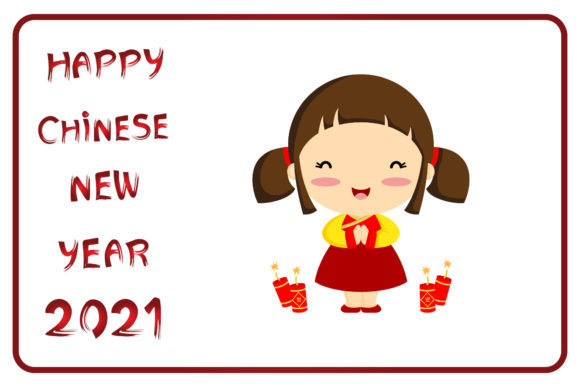
Chinese Girl Illustrations: An Embroidery Design Review
As a professional embroidery designer and product reviewer, I approach every new graphic asset with a specific question: will this actually stitch out beautifully on real fabric? When evaluating Chinese Girl Illustrations, my focus shifts immediately from digital aesthetics to practical application. These illustrations possess a distinct cultural elegance and artistic flow that suggests high potential for custom apparel and personalized gifts. However, translating intricate graphics into a machine embroidery design requires careful consideration of stitch density, fabric texture, and final product value. This review breaks down how these illustrations perform when moved from screen to hoop, specifically for makers, Etsy sellers, and boutique owners planning their next collection.
First Impressions and Artistic Mood
The visual personality of Chinese Girl Illustrations strikes a balance between traditional artistry and modern vector cleanliness. Upon opening the files, the lines appear smooth and intentional, which is a promising sign for digitizing or direct stitching. The mood evokes a sense of heritage and grace, making it naturally suited for projects that require a touch of sophistication rather than cartoonish simplicity. For an embroidery project, this level of detail implies that the design will likely rely on a combination of satin stitch outlines and fill stitch areas to capture the essence of the illustration without becoming too dense.
From a business perspective, this aesthetic fills a specific niche. It avoids generic clip-art vibes, positioning finished products as premium handmade items. Whether you are creating nursery decor or cultural celebration apparel, the artwork carries enough weight to justify a higher price point. The provided canvas size of 1920 px X 1280 px offers ample resolution for assessing details before committing to production, ensuring that small facial features or clothing folds won't get lost during the digitizing process.
Real-World Application: The Custom Tote Bag Test
To truly judge utility, I mentally placed Chinese Girl Illustrations onto a natural cotton tote bag—a staple for craft business owners and small shop products. Tote bags offer a relatively stable, flat surface, but the fabric texture can sometimes interfere with fine details. In this scenario, the illustration’s flowing lines would serve as an excellent guide for applique design or detailed running stitch work. The cultural theme pairs exceptionally well with unbleached canvas or linen, creating a cohesive, organic look that appeals to buyers seeking sustainable or artisanal goods.
For an Etsy seller, this specific use case highlights versatility. A tote bag featuring this design could be marketed as a reusable shopping bag, a library tote, or a personalized gift for students and teachers. The key here is scale. Because the source graphics are high-resolution, you have the flexibility to resize the design to fit different hoop sizes without losing edge definition. However, when stitching on canvas, I would recommend testing thread colors against the natural fabric background first. Darker thread tones often provide better contrast and readability for illustrative styles compared to pastels, which might blend too much into the weave.
Navigating Fabric Challenges and Technical Limits
While the design shows promise, experienced makers know that not all fabrics treat illustrations equally. If you plan to use Chinese Girl Illustrations for sweatshirt embroidery or baby clothes, caution is necessary. Stretchy knits and fleece introduce instability that can distort intricate artwork. For these applications, the design must be stabilized aggressively. Using a cut-away stabilizer is non-negotiable to prevent puckering, especially if the illustration contains large fill stitch areas or dense satin stitch borders.
Small hoop sizes present another hurdle. Reducing complex illustrations to fit a 4x4 hoop often results in lost details or thread breaks. If your machine has a smaller field, consider isolating specific elements of the Chinese Girl Illustrations rather than forcing the entire composition. This approach works beautifully for embroidered patches, collar accents, or sleeve cuffs where space is limited. Conversely, avoid using this design on highly textured fabrics like terry cloth or thick wool unless you add a water-soluble topping; otherwise, the fine lines characteristic of these graphics will sink into the pile and disappear.
Critical Considerations for Delicate Projects
- Stretchy Fabrics: Always test on scrap material first. Knit fabrics require ballpoint needles and robust stabilization to maintain the integrity of the illustration.
- Dark Fabrics: Verify thread contrast. Intricate details in Chinese Girl Illustrations may need lighter outlining or a white underlay base to pop against black or navy garments.
- Frequent Washing: For baby embroidery or kitchen towels, ensure stitch density is sufficient to withstand laundering without fraying, but not so dense that it creates a stiff, bulletproof patch.
- Curved Surfaces: Be wary of placing large, flat illustrations on caps or curved sleeves. Distortion is likely; opt for flatter placement zones or specialized cap hoops.
Elevating Brand Value and Customer Trust
Beyond technical execution, using high-quality graphics like Chinese Girl Illustrations directly impacts perceived value. Customers can distinguish between generic, pixelated designs and crisp, professional artwork. When your finished product showcases clean lines and thoughtful color choices, it builds trust in your brand consistency. For commercial embroidery businesses, this means fewer returns and more repeat clients who recognize your shop as a source of quality.
Digital product sellers also benefit significantly. The inclusion of AI, EPS, SVG, DXF, JPG, and PNG formats makes these assets incredibly versatile for printable mockups and design previews. Before you even stitch a single sample, you can create professional listing photos showing how the design looks on various merchandise. This capability is essential for validating market interest before investing time in physical sampling. Just remember to verify licensing terms regarding digital resale versus finished product sales to protect your business legally.
Designer Notes for Successful Execution
Before loading Chinese Girl Illustrations into your machine, take these practical steps to ensure success. First, confirm compatibility. While the file types listed are industry standards, always check that your specific software or machine reads the vector or image files correctly for your intended workflow. Second, evaluate the complexity relative to your skill level. If the illustration is purely raster (JPG/PNG), you will need to digitize it yourself or hire a digitizer to convert it into a stitch file. If vector files (AI/EPS/SVG) are included, they serve as perfect templates for auto-digitizing or manual tracing.
Always run a test stitch-out on scrap fabric that matches your final project's weight and texture. Inspect the registration of overlapping colors and the clarity of small details. Adjust stitch density if the fabric is pulling or if the design feels too heavy. Finally, document your thread colors and stabilizer choices. Creating a production note sheet ensures that your hundredth embroidered patch looks identical to your first, maintaining the professional standard that discerning customers expect from handmade and custom apparel businesses.
Chinese Girl Illustrations offer a beautiful foundation for culturally rich and aesthetically pleasing embroidery projects. By respecting the technical requirements of the medium and leveraging the high-quality source files, makers can transform these digital graphics into tangible, sellable art that resonates with buyers and stands the test of wear.